Servers

Follow this category by RSS

My hypervisors in 2026: phoebe, priscilla and stephen

My home servers · Part 6

My hypervisors in 2026: phoebe, priscilla and stephen

by Jan Holbo Rasmussen

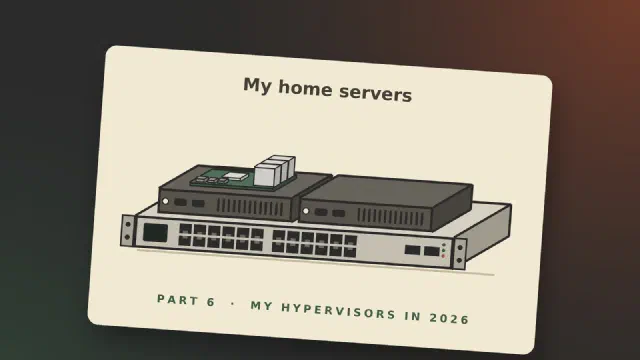
The last two parts of this series were about getting here: a new Proxmox server, and the one big box I would build if I could. This part is about what I actually have. Three machines, what each one is for, and how they are going to work together.

From one big server to three small ones

This series started with an HP ProLiant ML150 G6 from 2009 and the Smart Array controller I put in it. Two years ago I took stock of what I had. The ML150 has since been retired and is gone.

Read article →
Hyperconverged Hypervisor

My home servers · Part 5

Hyperconverged Hypervisor

by Jan Holbo Rasmussen

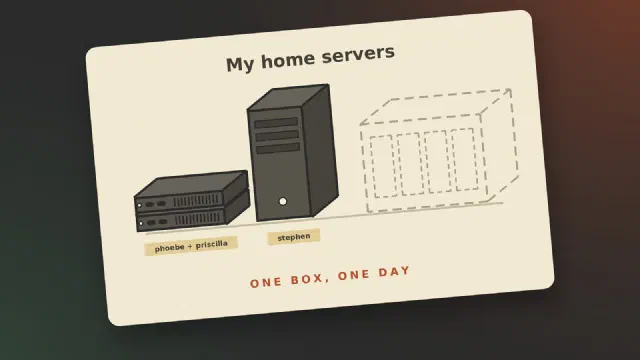
Having a homeserver lets you host your own services. There are a lot of ways to do this. This post explains what a hyperconverged hypervisor is, why I want one, and why I don’t have one yet.

I do not have the luxury of buying new specific hardware that fits the jobs I am looking to solve. I often have to make do with 2nd (or even 3rd) hand hardware to be able to have the systems that run both my business as well as protect our personal data such as photos and important documents.

Read article →
New Proxmox homeserver

My home servers · Part 4

New Proxmox homeserver

last modified by Jan Holbo Rasmussen

My current Proxmox server

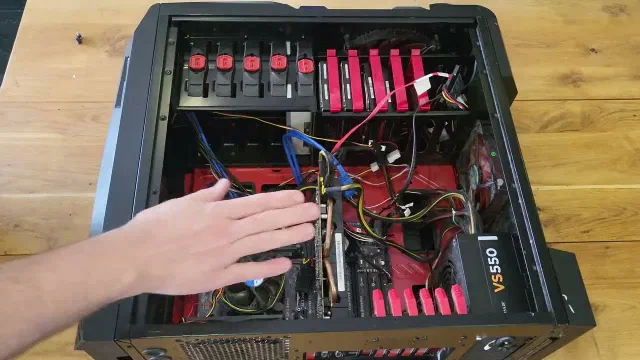
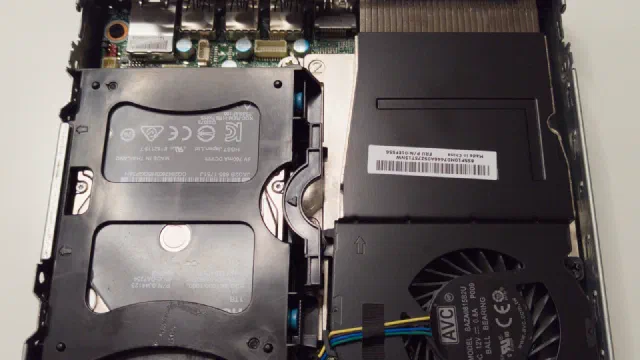
My main Proxmox server is called phoebe. It is a Lenovo Tiny PC with an AMD Ryzen 5 PRO 3400GE processor and 64 GB of RAM, and it runs a couple of LXC containers (Nextcloud among them) and a few virtual machines.

Its storage used to be an NVMe drive for booting and two spinning drives in an OpenZFS mirror: a 4 TB 2.5" hard disk drive inside the case and an 8 TB external drive connected via USB 3. That gave 4 TB of usable space, as the smallest drive in a mirror dictates the capacity.

Read article →
Explainer: What is RAID?

Explainer: What is RAID?

by Jan Holbo Rasmussen

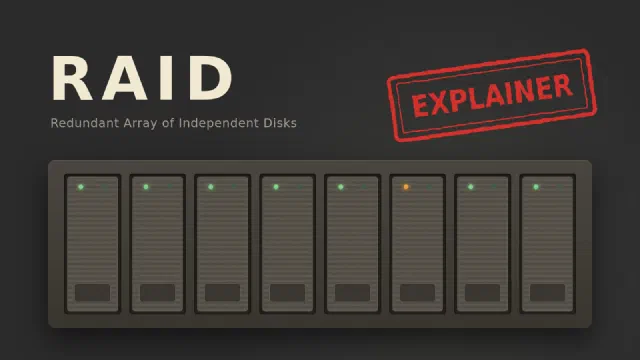
Reading about servers and storage you might have wondered: What is RAID? RAID is a method of melting multiple harddrives together to form a (often) larger logical drive. The acronym expands to either Redundant Array of Inexpensive Disks or Redundant Array of Independent Disks.

RAID was defined in a research paper: “A case for Redundant Arrays of Inexpensive Disks (RAID)” (Patterson et al, 1988). Andrew S Tanenbaum uses the latter acronym in his book (“Structured Computer Organization 5th Edition”, Tanenbaum, 2006, p 89). I had access to the 5th edition, from which I reference but you can get the 6th edition from Amazon.com and amazon.de (affiliate links).

Read article →

Archived

Older posts kept for reference. They may be out of date; each one links to what replaced it. All of them are on the archive page.

Reconnecting FatAgnus - part 1

Reconnecting FatAgnus - part 1

Archived

last modified by Jan Holbo Rasmussen

Some of my family’s data resides on a ZFS pool made up of 4 disks that are mirrored two and two. This data has been offline for a little while and I need to reconnect it to look through and reorganise our data storage. The YouTube video futher down this article documents my endeavours to get to these files and data

In this first part I will be looking at the computer I intend to use for this task and I install TrueNAS Scale. The drives are already in the server but I may need to reorganise the hardware a bit.

Read article →
Setup 2024 - taking stock of my servers

My home servers · Part 3

Setup 2024 - taking stock of my servers

Archived

last modified by Jan Holbo Rasmussen

It is time for taking stock of my servers. My setup has evolved a bit, but not as well planned as I would like it to have. I currently have 4 servers - 5 if you count my Linode/Akamai VPS but only one of them is actual dedicated server hardware.

Servers as of February 2024

Server number 1 is a Raspberry Pi 4B 2 GB running my Home Assistant and Unifi controller. This boots off a 2.5" 250 GB SSD connected via USB.

Read article →
Time to upgrade the HP SmartArray P410

My home servers · Part 2

Time to upgrade the HP SmartArray P410

Archived

last modified by Jan Holbo Rasmussen

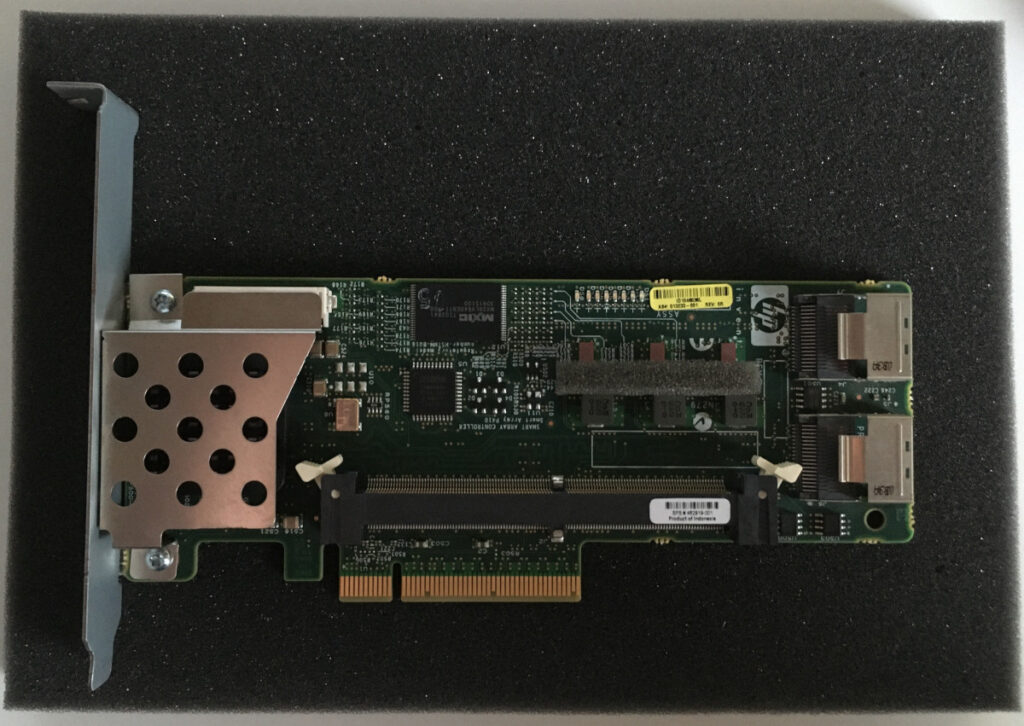
My Home Server is struggling with high IOWait under IO load and the time has come to upgrade the HP SmartArray P410 SAS/SATA controller with Write Cache.

In Setting up a Home Server using an old (2009) HP Proliant ML150 G6 I describe how my storage pool is using a mixed set of drives. The drives are connected to two different

Hardware installation

The HP Proliant ML150 G6 server that I am using for our Home Server has 2 storage controllers. It has an onboard SATA controller with 6 SATA ports. In addition to that it has an HP SmartArray P410 8 port SAS/SATA controller.

Read article →
Setting up a Home Server using an old (2009) HP Proliant ML150 G6

My home servers · Part 1

Setting up a Home Server using an old (2009) HP Proliant ML150 G6

Archived

last modified by Jan Holbo Rasmussen

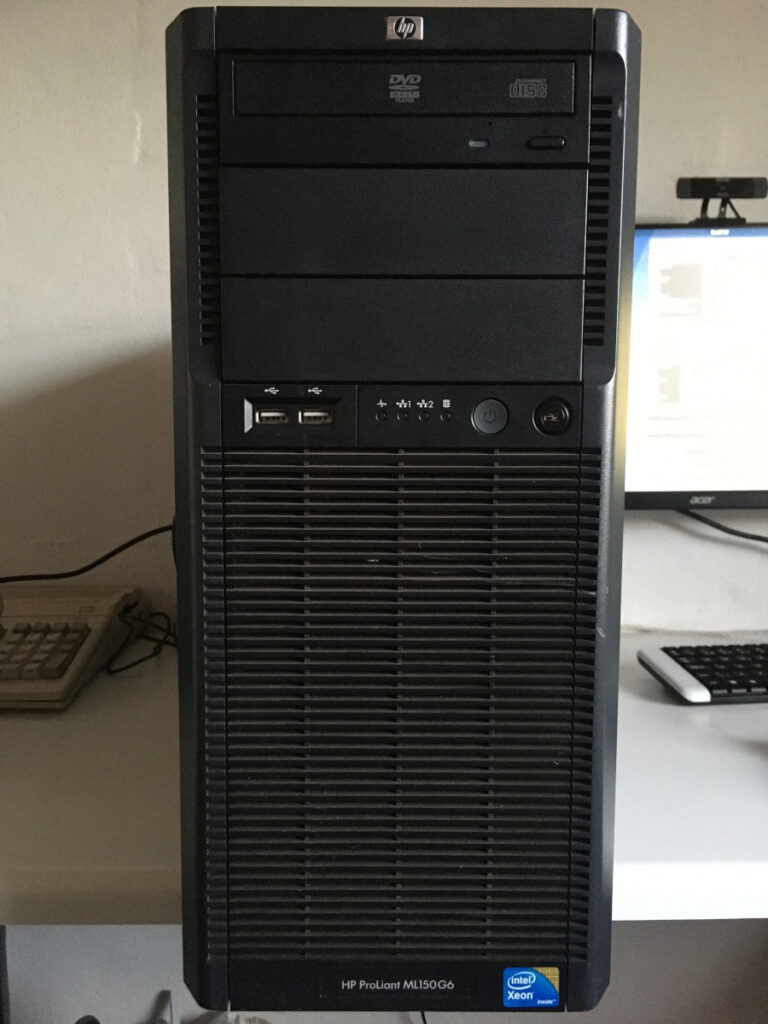
Having a Home Server enables you to host locally your files and services. It might save you some money subscribing to paid (cloud) solutions. And enable you to try out cool things like containers and Virtual Machines. In this post I will document how I setup my current Home Server. I am using an old HP Proliant ML150 G6 I was given. This is a 5U tower server from 2009 with a Dual CPU motherboard.

Read article →